There’s a crisis quietly unfolding inside architecture and engineering firms across the country.
It’s not a technology problem. It’s not a market problem. It’s a leadership pipeline problem — and most firms are only beginning to feel the full weight of it.
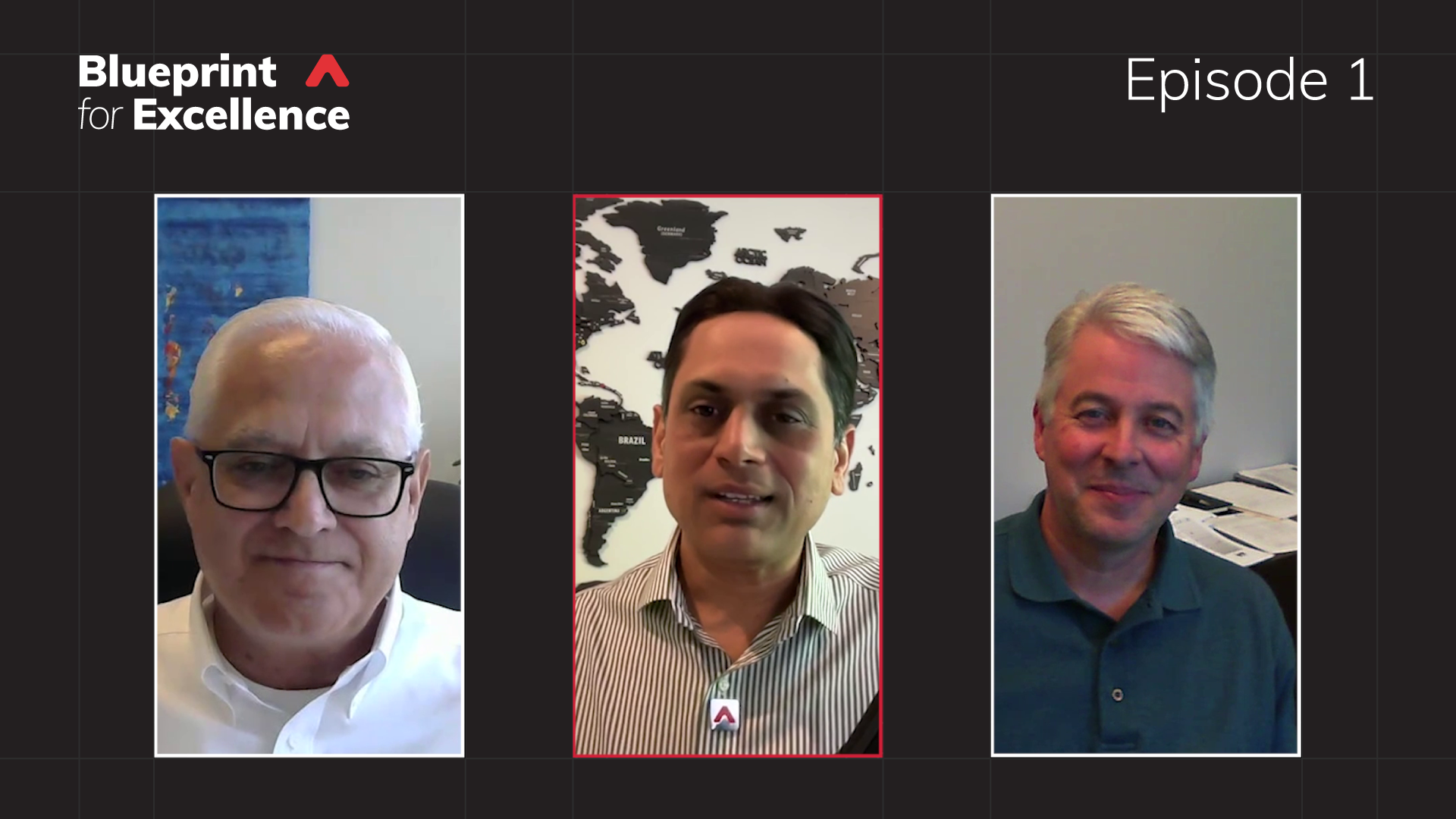
When I started this podcast series, I wanted to get past the polished talking points and hear the real stories. The stumbles, the aha moments, the lessons that only come after years of doing the work. For our very first episode of Blueprint for Excellence, I sat down with two exceptional leaders: Benjamin Gardner, CEO of Decker, a 200+ person architecture and engineering firm, and Tim Griffin, Executive Vice President of RMF Engineering, author, trainer, and someone who has spent three decades studying what separates good leaders from great ones.
What they shared stayed with me long after the recording ended.
The first episode of Blueprint for Excellence is now live on YouTube! You can also listen to the audio version below.
The Leadership Gap Nobody Is Talking About
Here’s the uncomfortable truth Tim put on the table: in 2008, the AEC industry essentially stopped hiring. For five years, firms laid off engineers and architects en masse. And now? We desperately need people with 8 to 15 years of experience. They simply don’t exist in the numbers we need.
That gap is already hitting the project manager level. It’s about to hit the principal level. And it will keep moving through the system for the rest of our careers.
We created this problem ourselves. And now we have to solve it — not by waiting for the right candidate to show up, but by building leaders faster than we ever have before.
The Engineer’s Greatest Leadership Challenge
Both Benjamin and Tim came up through the technical side of the business. Both hit the same wall when they stepped into leadership roles.
Tim described it perfectly: as engineers and architects, we’re wired for control. We want to own the problem, solve it our way, and see it through. That’s exactly what makes us good at the craft. And it’s exactly what gets in the way when we have to lead through others.
“The very reason we were attracted to this business… is that need for control. But when it comes time to start leading through others and delegating, it just goes against our very nature.” — Tim Griffin.
Learning to delegate strategically isn’t a soft skill. It’s the difference between a firm that grows and one that stalls. Tim put it simply: get smart, younger people around you. Put them in the right seats. Give them what they need. Then get out of their way.
Benjamin takes that one step further. When he hears someone say a junior employee “isn’t ready” to take something on, he pushes back immediately. People only get ready by being given the opportunity. And yes, they’ll sometimes fail. That’s part of the process.
Leading Change — Before Change Leads You
The firms that struggle are the ones reacting to change. The firms that win are the ones managing it.
I’ve believed this for a long time: change is the only constant, and resisting it is a losing strategy. What Benjamin and Tim reinforced is that the job of a leader isn’t just to accept change — it’s to get ahead of it. To set the destination, communicate it clearly, and bring people along.
Benjamin put it well: when change is managed, you know where you’re going. When it’s not, you’re just reacting and hoping for the best.
That applies to AI. It applies to talent strategy. It applies to every new platform, process, or market shift heading our way.
Key Lessons From the Conversation
A few things stood out to me as especially worth sitting with:
- Profit is not a dirty word.
Benjamin’s firm is an ESOP — employee-owned. His framing: profit is opportunity for everyone in the company. I talk about money as oxygen. Without it, nothing else works. With more of it, you can do things you otherwise couldn’t. Every leader needs to make peace with this.
- Peer groups are underrated.
Both Benjamin and Tim are Vistage members. Both credit it as one of the most impactful experiences of their careers. The value isn’t just the advice — it’s realizing that every firm, in every industry, is wrestling with the same issues. You’re not alone, and you don’t have to figure it all out from scratch.
- Community involvement compounds.
Benjamin said if he could go back and change one thing, he’d have shown up more for his community — earlier and more often. Not just for the business development it creates, but for the relationships, the perspective, and the sense of purpose it builds. The return on that investment is real, even if it’s slow.
- Power in this industry flows to three types of people.
Tim has spent 30 years studying this, and his framework is sharp. Power goes to those who bring in work. Power goes to those who make the hard personnel calls — the ones who build high-performing teams by addressing underperformance before it drags everyone down. And power goes to those who learn to lead other leaders. Not just manage followers, but develop people who go on to build their own teams.
Do all them all, and your career trajectory changes.
What AI Actually Means for Our Industry
No conversation about the future of AEC would be complete without addressing AI, and this one was candid.
Tim made an important historical point: no previous technology — not AutoCAD, not BIM — ever created a lasting competitive advantage in our industry. Everyone adopted it within a few years. AI, he believes, is different. The scale of investment required, and the pace of change, could finally give large firms a cost advantage over smaller ones in ways we’ve never seen before.
Benjamin has been preparing for this. Five years ago he hired a Director of Advanced Technology — a move his peers thought was premature. Today, that person is central to everything Decker does.
But Benjamin’s caution is worth noting. Architecture and engineering are craft industries. There’s judgment, creativity, and professional responsibility embedded in what we do. AI is a tool, not a replacement for that. The firms that use it well will be more productive, more responsive, and more competitive. The ones that hand over their thinking will pay for it eventually.
My Takeaway: Invest in People Before You Need To
The theme running through everything Benjamin and Tim shared is this: the best time to develop your people was years ago. The second-best time is now.
Whether it’s a formal in-house training program like Decker University, executive coaching through Vistage, or simply creating opportunities for your junior staff to stretch beyond their comfort zone — the investment compounds. It’s what keeps your best people. It’s what builds the bench you’ll need when the next gap hits. And it’s what separates firms that grow with intention from firms that grow and hope.
At Indovance, our tagline is “Let’s Grow Together.” That isn’t just a phrase — it’s a philosophy. And conversations like this one remind me why it matters.
Listen to the Full Episode
This is exactly the kind of conversation I created Blueprint for Excellence to have. Benjamin and Tim are the real deal — experienced, honest, and genuinely interested in helping the next generation of leaders get further, faster. Listen to Episode 1 of Blueprint for Excellence wherever you get your podcasts, or watch the conversation on our YouTube page. If this resonated with you, share it with a colleague who’s navigating the move from technical expert to leader. That transition is hard. It’s supposed to be. But it doesn’t have to be lonely.
Sandesh Joshi is the Founder and CEO of Indovance Inc., a global engineering outsourcing services company. He has spent more than 20 years partnering with engineering and architectural leaders across North America.