The world of architectural and engineering (A&E) services is one of intricate design, complex problem-solving, and profound impact. Yet, beneath the impressive structures and innovative solutions, many firms grapple with persistent challenges. How do you consistently grow in a competitive landscape? How do you differentiate your expertise when technical excellence is often a baseline expectation? And perhaps most critically, how do you build a business that thrives beyond the direct influence of its founders? These are not just industry problems; they are deep-seated leadership challenges that demand strategic foresight and a fresh perspective.
The Leadership Challenge: From Engineer to Entrepreneur
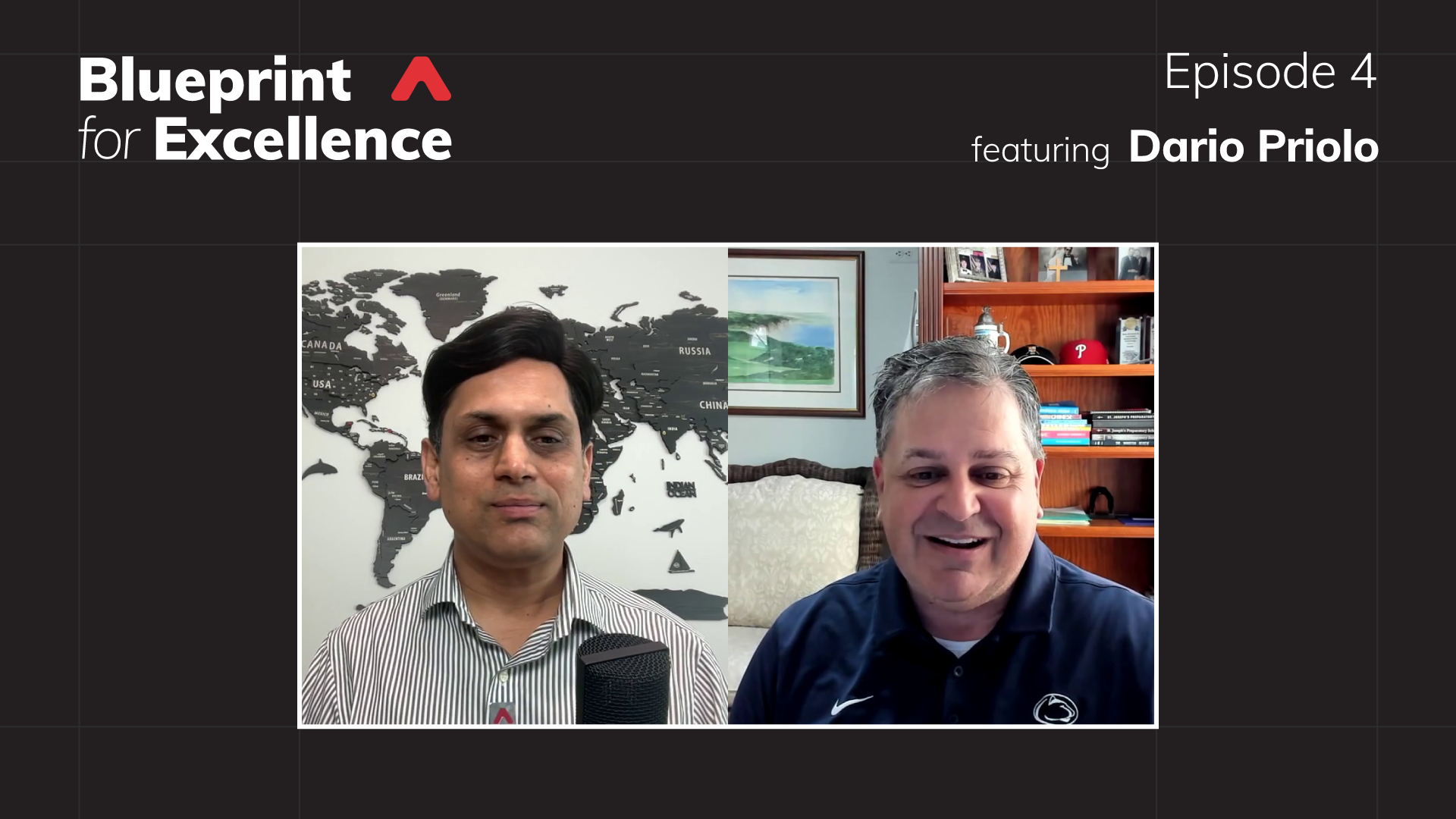
For many A&E leaders, the journey begins with a passion for design and engineering, not necessarily for business management. As Sandesh Joshi, CEO of Indovance Inc. and host of Blueprint for Excellence, highlights, while engineers and architects excel at their craft, “not everybody enjoys running a company or managing a company.” This sentiment resonates deeply with Dario Priolo, Founding Partner at JK Research and Growth Advisor, who brings 25 years of experience in senior operating and growth roles across professional services.
Dario, himself an engineer by training, offers a fascinating insight: “Engineers make the best marketers.” This might seem counterintuitive, but Dario explains that the core of engineering is problem-solving. When applied to client relationships, this translates into a powerful, trust-building approach: “At the end of the day, we’re trying to solve a problem for a client. We’re not trying to sell the client something.” This natural inclination to put the client’s interest first fosters credibility and makes engineers sought-after technical experts.
However, the transition from technical expert to business leader involves embracing a different set of responsibilities. Dario recalls his early exposure to the realities of business through his family’s construction firm: “Accounting and taxes and payroll… the day-to-day mundane… that has nothing to do with engineering or architecture.” These are the “necessary evils,” as Sandesh aptly puts it, that often don’t ignite the same passion as a design project. The challenge for leaders, then, is to either develop an appreciation for these operational aspects or strategically delegate them, allowing the firm to scale without hitting an artificial ceiling.
Key Lessons from a Growth Advisor
Dario Priolo’s extensive experience, particularly in growth advisory and mergers & acquisitions (M&A), offers invaluable lessons for leaders aiming for sustained excellence.
The Unfiltered Voice of the Client
Many firms make assumptions about why they succeed or why clients choose them. Dario argues this can be a fatal flaw. His key practice: interviewing newly signed clients who have just gone through a rigorous selection process.** These clients, having recently evaluated multiple competitors and made a substantial investment, possess “their finger on the pulse of the market today.”
- Discover True Differentiators: Clients can articulate their pain points and how your firm solved them in ways your marketing team might never capture. They reveal “what they really find about us that is compelling.”
- Competitive Intelligence: These conversations offer unique insights into what the competition is doing and how clients perceive the broader market.
- Beyond the CRM: Relying solely on filtered information from sales teams or CRM notes often misses the “color” and personal stakes involved in a client’s decision. Direct conversations cut through this and provide genuine, actionable feedback.
The Internal Pulse: Understanding Your People
Beyond external clients, Dario stresses the importance of understanding internal dynamics. He looks at “workforce dynamics, tenure, key people, attrition.”
- Red Flags: High turnover among top talent is a major red flag, indicating underlying issues that need immediate attention.
- CEO Responsibility: Leaders must have their “finger on the pulse of your workforce and your client base,” recognizing that these are intertwined. Ignoring these internal signals can erode a firm’s foundation.
The M&A Lens: De-risking Your Business for Value
When a buyer evaluates a business, Dario states, “what they see is risk.” This perspective is crucial even if a firm isn’t actively for sale, as mitigating risk inherently builds value.
- Founder Overdependence: A charismatic founder who is the “rainmaker” and primary relationship holder represents significant risk. Buyers question who will sustain these relationships once the founder exits.
- Succession Planning & Bench Strength: A lack of clear succession or a shallow talent bench for key roles, especially client-facing ones, signals vulnerability.
- Client Concentration: If a large percentage of revenue comes from a small number of clients (e.g., 80% from 20% of clients), the loss of even one major account can be catastrophic, devaluing the firm.
- Highlighted Insight: From a buyer’s perspective, it’s not a question of if these risks will materialize, but when. Proactively addressing them can significantly increase your firm’s attractiveness and valuation.
Strategic Growth: Prioritize Relationships
The eternal debate: focus on existing accounts or pursue new ones? Dario offers a clear prioritization for professional services, where “relationship and trust” are paramount.
- Existing Clients: This is “your quickest and surest path to revenue.” Cross-selling and upselling within your current client base should be the first priority, as the trust foundation already exists.
- Dormant Relationships: A “hidden gem” for many mature firms. Over decades, leaders like Sandesh accumulate a vast network of past clients and contacts. Re-engaging these individuals, even with a simple “let’s catch up,” can unlock new opportunities.
- Brand and Thought Leadership: In today’s AI-driven world, a strong brand is more critical than ever. Investing in professional online presence, sharing insights on industry trends (through podcasts, newsletters, articles), and being seen as a “thought leader” creates top-of-mind awareness.
- Cold Prospecting: While necessary, this should be the last priority. “Not at the expense of your existing clients and your dormant clients and your brand.”
Breaking Through the Artificial Ceiling
Many companies experience growth spurts followed by plateaus. Dario calls these “artificial ceilings” or “self-imposed constraints.”
- Mindset Shift: Overcoming these plateaus requires a fundamental shift in mindset. Leaders must be “willing to get out of your comfort zone” and “invest in either talent or other resources.”
- Stepwise Growth: Growth isn’t always linear; it often happens in “steps.” Each step demands new investments – in people, technology, and management layers. From a five-person shop to a 75-person firm, the organizational structure and resource allocation must evolve.
- Commitment to Discomfort: “If I wanna get to that next level, I’ve gotta commit… I’m gonna invest in a little bit of discomfort.” This willingness to stretch and adapt is key to sustained scaling.
Embracing AI: Crowdsourcing Innovation
AI is a buzzword, but in A&E, it’s a practical reality. Dario notes that engineers are “fully embraced AI and is digging in deep on their own.”
- Bottom-Up Innovation: Leaders should encourage and formalize this natural inclination. Dario suggests “internal hackathons” where employees demo how they’re using AI to solve everyday problems. This crowdsources innovation and reveals unexpected applications.
- Guardrails and Human Oversight: While encouraging, it’s vital to establish “guardrails” regarding security and client confidentiality. Crucially, always maintain “a human in the loop” for quality control, as AI can “hallucinate.”
- Productivity Multiplier: When managed correctly, AI can be “an incredible force multiplier for productivity.”
Practical Takeaways for A&E Leaders
Based on Dario Priolo’s insights, here are actionable steps for leaders building their blueprint for excellence:
- Implement a “Voice of the Client” Program: Regularly schedule direct, unfiltered conversations with newly acquired clients. Ask them about their selection process, their pain points, and what truly differentiated your firm. Use their exact language in your marketing.
- Map Your Dormant Relationships: Leverage tools like LinkedIn to identify and re-engage past clients and contacts. A simple check-in can rekindle valuable connections.
- Conduct an “Exit Readiness Diagnostic”: Proactively assess your firm from a buyer’s perspective. Identify areas of founder dependence, client concentration, and succession gaps. Develop a strategic plan to mitigate these risks, whether or not you intend to sell.
- Prioritize CEO-Client Conversations: As Dario suggests, make it a weekly habit for the CEO to personally connect with at least one client. This provides unfiltered insights and strengthens relationships. *”Clients love when the CEO reaches out to them.”*
- Foster an AI Innovation Culture: Create internal forums or “hackathons” for employees to share and demonstrate their use of AI. Establish clear guidelines for ethical and secure AI deployment, ensuring a “human in the loop” for quality assurance.
- Invest in Your Brand as a Thought Leader: Develop a consistent strategy for sharing your firm’s expertise and point of view through digital channels (podcasts, articles, newsletters). Position your firm as an authority in key industry trends.
- Identify and Plan for Growth “Steps”: Recognize that scaling requires strategic investments in people, technology, and management structures at different organizational thresholds. Be prepared to step out of your comfort zone to achieve the next level of growth.
The Ultimate Blueprint: Building to be Exit Ready
Dario’s ultimate advice for a “Blueprint for Excellence” is both profound and practical: “Build your firm to be exit ready.” This doesn’t mean preparing for an immediate sale, but rather building a business that operates efficiently and effectively *without* the constant, direct intervention of its founder.
This approach ensures:
- Independent Operation: The firm runs on robust processes and a strong team, not solely on one individual’s charisma or knowledge.
- Verifiable Value: The financial metrics and operational data are clean and transparent, able to withstand scrutiny.
- Optionality: Whether facing unforeseen health issues, a desire for a change, or a lucrative opportunity, the founder has the flexibility to make choices, knowing their life’s work is a valuable, sellable asset.
As Dario concludes, “You have some businesses that are very easy to sell because of the way that they’ve been built. And you have some businesses that are almost impossible to sell because of the way that they’ve been built.” The choice, and the effort, are yours. Building a firm for excellence means building it with intentionality, client-centricity, and a keen eye on its inherent value and future resilience.
This article is based on insights from Episode 4 of the ‘Blueprint for Excellence’ podcast, featuring Dario Priolo, Founding Partner at JK Research and Growth Advisor. To delve deeper into these discussions and gain more invaluable perspectives on leadership in the A&E industry, listen to the full episode of the Indovance Leadership Series today!